Introduction
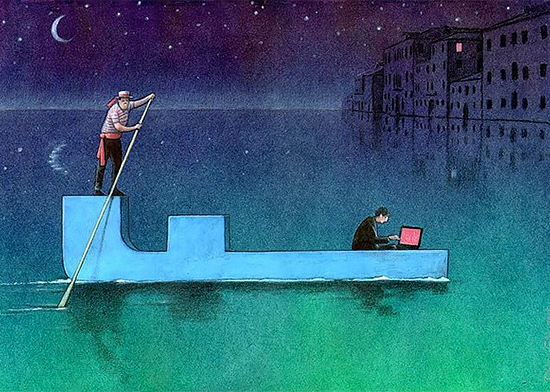
Pawel Kuczynski is a Polish, award‑winning illustrator whose bold, satirical drawings have earned a large international following. His recent series of sketches shared on Facebook continues that tradition: short, often stark images that distill complex social, political and economic issues into single frames. The result is work that’s easy to share and hard to forget.
See more of his work
To explore Kuczynski’s portfolio and recent projects, visit his official website: www.pawelkuczynski.com.
What makes these sketches so effective?
- Simplicity with a bite: Kuczynski pares scenes down to essentials, then twists a detail to expose irony or hypocrisy.
- Visual metaphors: Objects and figures become symbols—easy to read, but open to interpretation.
- Universal themes: Rather than local references, many sketches address broad topics—consumerism, power, media—that travel across cultures.
- Shareability: Short, high‑contrast images perform well on platforms like Facebook, helping ideas spread quickly without losing impact.
Why his work still matters in 2026
Illustration and satire have always been tools to question accepted narratives. In an era of rapid information flow and short attention spans, concise visual commentary can:
- Cut through noise and prompt reflection in seconds.
- Encourage conversation across demographics that might not read long essays.
- Act as cultural time capsules—capturing public moods and tensions in memorable frames.
How to read and share satirical art responsibly
- Look for context: A sketch may comment on a system or behavior rather than a single person; read captions or artist notes when available.
- Avoid snap judgments: Satire uses exaggeration; think about the underlying point before reacting.
- Credit the artist: When you share, include the artist’s name and link to their site or profile so viewers can explore more.
- Use it to open dialogue: If a piece provokes you, ask why and invite others to discuss rather than escalate conflict.
For creatives and communicators
Kuczynski’s approach offers useful lessons for anyone building a visual presence online:
- Be concise: A single strong idea often beats complexity on social platforms.
- Use metaphor: Visual shorthand can communicate layered meanings without long explanations.
- Respect your audience: Provocation works best when it aims to illuminate rather than simply shock.
Conclusion
Pawel Kuczynski’s Facebook sketches are reminders of what illustration can do: compressing social critique into images that are immediate, shareable and thought‑provoking. Whether you follow his work for inspiration or for reflection, his art is a prompt to pause and consider the world behind our headlines.