Category: News

  • easy.gr Joins Forces with Omnibus to Support Searches for Missing People

    easy.gr Joins Forces with Omnibus to Support Searches for Missing People

    easy.gr stands with Omnibus

    We believe that digital services can do more than power businesses — they can help people. easy.gr is proud to supportOmnibus, the largest non-profit website in Greece that helps with the search for missing persons. Our support aims to amplify Omnibus’s work and encourage the community to get involved.

    What Omnibus does

    Omnibus operates a range of services to make information about missing people widely available and actionable. One of its core tools is theOmnibus Alert, which publishes important announcements so that more people can see them quickly and help in searches.

    Why easy.gr supports this work

    • Omnibus is a non-profit scientific company (Αστική Μη Κερδοσκοπική Επιστημονική Εταιρεία) founded on 4 February 2013.
    • It is registered in the Special Registry of Volunteer Non-Governmental Organisations and the National Registry of Private-Sector Non-Profit Service Providers for social care.
    • Omnibus is independent and not part of any international organisation, political party, government body or commercial group — its operation is governed by its members.
    • easy.gr supports Omnibus to help increase visibility for missing-person alerts and to encourage simple community actions that make a real difference.

    How you can help (no money needed)

    Supporting Omnibus doesn’t require donations. Even small actions — sharing an alert, following Omnibus on social media, or reacting to a post — help spread information that can lead to finding someone. Find the team’s press note about our support here: Omnibus press release.

    Simple ways to get involved

    • Subscribe to Omnibus Alert to receive important announcements.
    • Share alerts within your networks to increase reach.
    • Engage with Omnibus posts — reactions and comments help visibility.
    • Visit omnibus.gr to learn more about their work and resources.

    Closing thoughts

    At easy.gr we believe technology and community go hand in hand. Backing organisations like Omnibus is one way we try to put that belief into practice. If you can, take a moment to follow their alerts and share them — small acts from many people can lead to big results.

  • Coming Back from WHD.global 2015: Parallels Becomes Odin and What We Took Home

    Coming Back from WHD.global 2015: Parallels Becomes Odin and What We Took Home

    Introduction

    Coming Back from WHD.global 2015: Parallels Becomes Odin and What We Took Home — whd.global2015

    We just returned from WHD.global 2015, a busy week where the global internet industry gathered to show new ideas, announce plans and build partnerships. The show was packed with announcements, gadgets and conversations — and a few moments that felt like a real turning point for the market.

    Quick highlight

    One of the biggest surprises was Parallels’ overnight transformation into Odin — a change announced on the show floor that signals a broader shift from a single control-panel product toward a wider portfolio of solutions.

    Parallels → Odin: more than a new name

    Perhaps the most talked-about moment at the event was Parallels’ public rebrand toOdin. It was an unusually immediate, exhibition-time announcement: overnight the company presented itself with a new identity. The message was clear — the platform is moving beyond the image of a single "Plesk Control Panel" product and positioning itself as a provider of a broader set of solutions for hosting providers and ISPs.

    gTLDs and the domain market

    Conversations about generic top-level domains (gTLDs) were everywhere. With the gTLD rollout at a peculiar crossroads, many attendees predicted the arrival of more specialized gTLDs aimed at segmenting the market and serving narrower industry verticals. The general view was that increased specialization could help gTLDs grow by addressing specific professions and audiences.

    Security, antispam and product quality

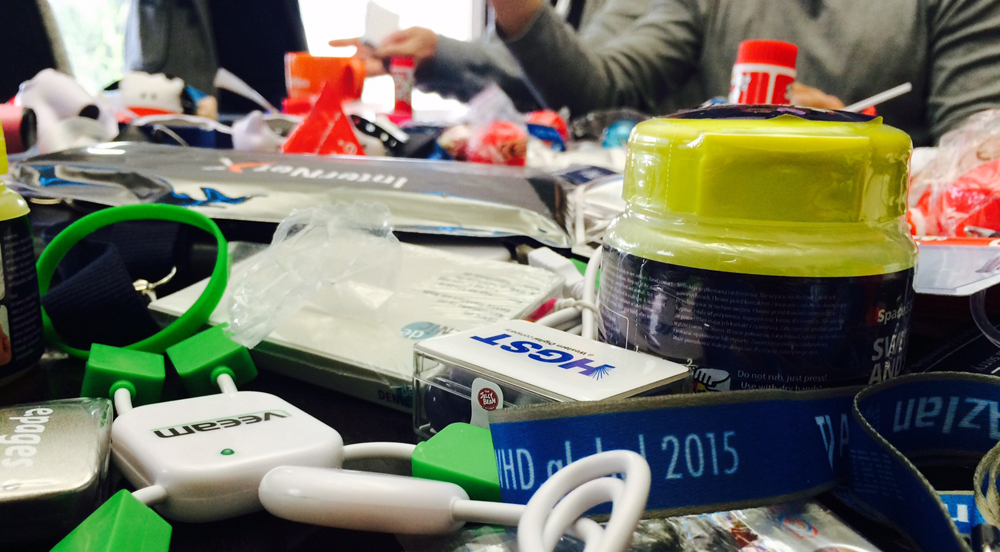
    Security and antispam solutions were recurring themes. Providers highlighted new antispam services, stronger security features and improvements in overall product quality. Those messages came alongside practical demos and giveaways — small but smart gadgets used by exhibitors to engage visitors.

    The atmosphere vs. the local scene

    The general mood on the show floor was upbeat and energetic — a contrast we still feel when looking at the stagnation that affects parts of the Greek Internet market. The difference was striking: international momentum, talks of investment and innovation, and many new ideas in motion.

    What this means for easy.gr

    At easy.gr we won’t stop at admiring gadgets. The energy and the contacts from WHD.global 2015 will be channelled into creative collaborations and service improvements. Our aim is to keep delivering useful, high-quality services that are easy to acquire and even easier to manage — all through the unique easy.gr control panel.

    Conclusion

    WHD.global 2015 left us inspired. From the Parallels→Odin announcement to renewed conversations about gTLDs and security, the show reinforced that the internet ecosystem keeps evolving fast. We plan to bring that momentum back home — improving our services and working with partners to offer better tools for customers in Greece and beyond.

  • And the winner is… our Christmas GoPro HERO4 giveaway

    And the winner is… our Christmas GoPro HERO4 giveaway

    Announcement

    And the winner is… our Christmas GoPro HERO4 giveaway — Screen Shot 2014-12-30 at 11.40.21 AM

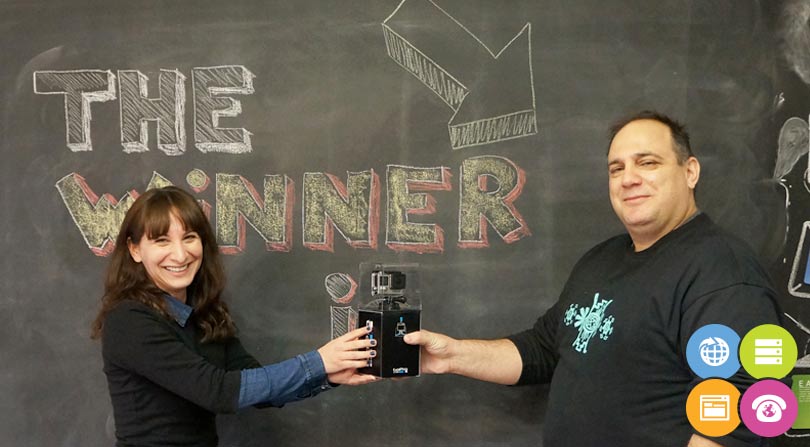
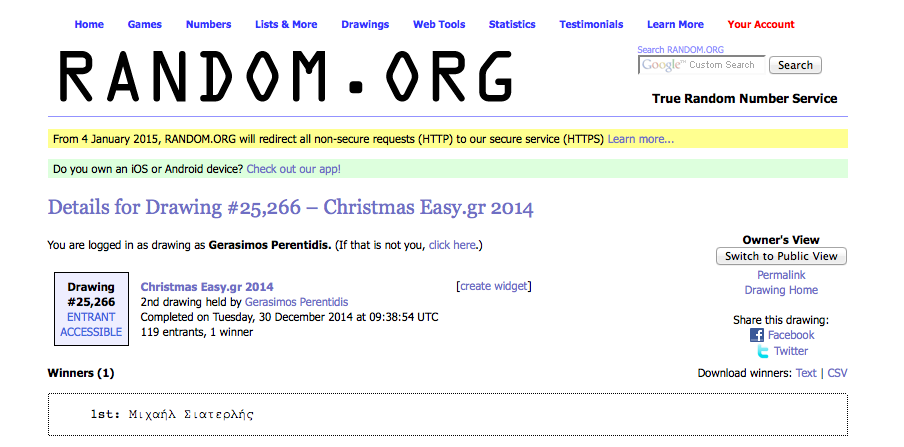
    With great pleasure we announce the winner of this year’s Christmas giveaway: the GoPro HERO4 Silver Edition. And the winner is…Μιχαήλ Σιατερλής (Michail Siaterlis).

    Winner and draw details

    Congratulations to Μιχαήλ Σιατερλής — the official draw details are publicly available at random.org.

    About the prize

    The prize for this giveaway was a GoPro HERO4 Silver Edition — a compact action camera popular for capturing high-quality footage in active and outdoor settings.

    Thanks to everyone who participated

    We want to thank everyone who entered the contest and helped make this giveaway special. Your participation and enthusiasm are what make community events like this possible.

    What’s next

    If you took part in the giveaway, keep an eye on your inbox and our channels for news about future contests and promotions. Once again, congratulations to the winner, and we wish everyone a great year ahead.

    Closing

    Happy New Year from the Easy team — and thank you for being part of our community!

  • nCycle: a radical rethink of the electric bike

    nCycle: a radical rethink of the electric bike

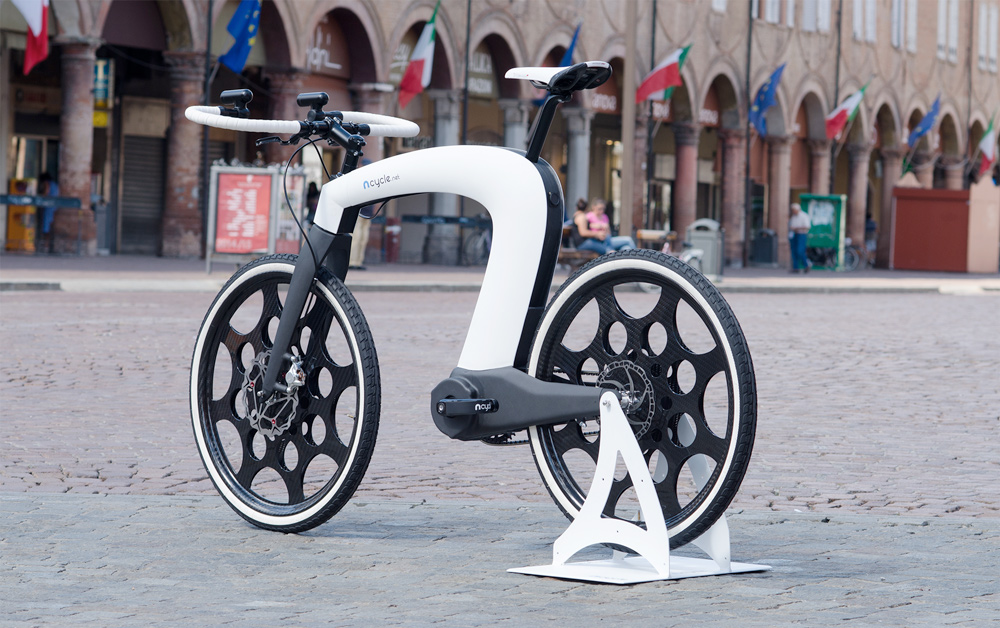
    nCycle electric bike concept with integrated storage and components

    nCycle at a glance

    nCycle is an all-in-one electric bicycle concept that packs storage compartments, an integrated locking system, built-in speakers, headlights, a display and a complete electric drive mechanism — all on two wheels. The project, created by designers Hussain Almossawi and Marin Myftiu, aims to push both aesthetics and technology beyond what you usually expect from a city bike.

    Key features

    What makes nCycle stand out at first sight:

    • Multiple storage spaces incorporated into the frame
    • Integrated locking mechanism for security
    • On-board audio with built-in speakers
    • Front lighting and a display for rider information
    • A complete electric drive system built into the bike

    Design that challenges expectations

    Instead of refining the familiar city-bike silhouette, nCycle takes a different approach. Its bold styling and the integration of components usually added as aftermarket accessories signal a deliberate move toward a cohesive, design-led product. The result is a machine that reads as a piece of industrial design as much as it does a vehicle for urban mobility.

    Technology packed into the frame

    nCycle is more than an electric motor on a bicycle chassis. The concept integrates a range of functional elements — locking, storage, lighting, audio and rider display — into the structure itself. This kind of integration simplifies the user experience and can improve aesthetics, because accessories are not just attached, they’re built in.

    The makers: Hussain Almossawi and Marin Myftiu

    The project credits designers Hussain Almossawi and Marin Myftiu. Their work on nCycle reflects a focus on combining high-level design thinking with engineering to reimagine how an everyday product can look and feel.

    Why this matters

    Concepts like nCycle are useful even if they never reach mass production. They demonstrate possibilities: how urban mobility can be more integrated, secure and pleasurable. For designers and manufacturers, such concepts probe customer expectations and suggest new directions for product development in the e-mobility space.

    Where to find more

    For more details on the project, see the creators’ page:ncycle.net.

    Bottom line

    nCycle isn’t just an electric motor on two wheels. It’s a design experiment that pulls multiple functions into a single, distinctive package. Whether it becomes a mainstream product or remains a concept, it pushes ideas about how an electric bike can be integrated, secure and stylish.

  • When Memories Become Art: Brandon Allen’s Joystick Portraits

    When Memories Become Art: Brandon Allen’s Joystick Portraits

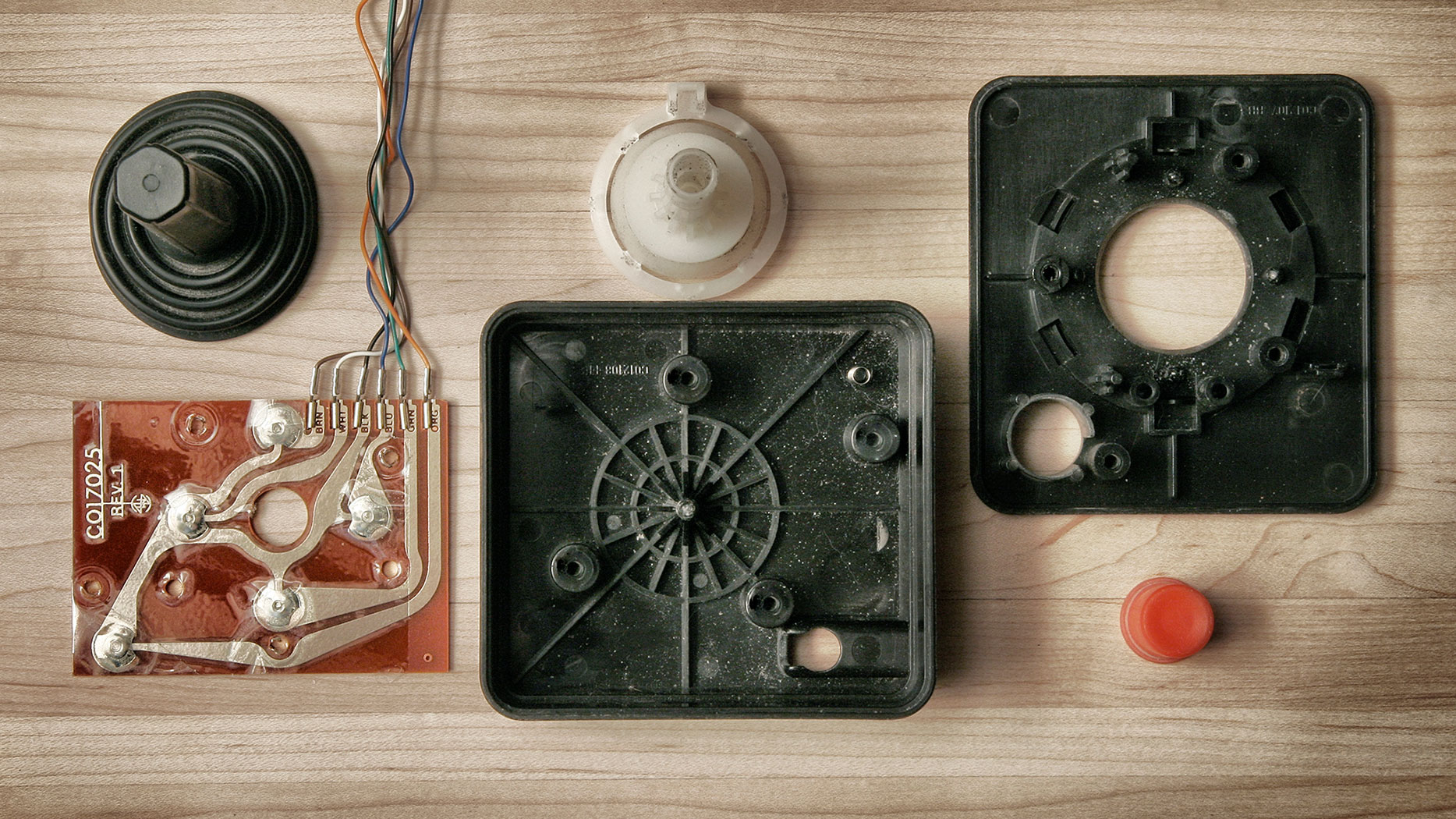
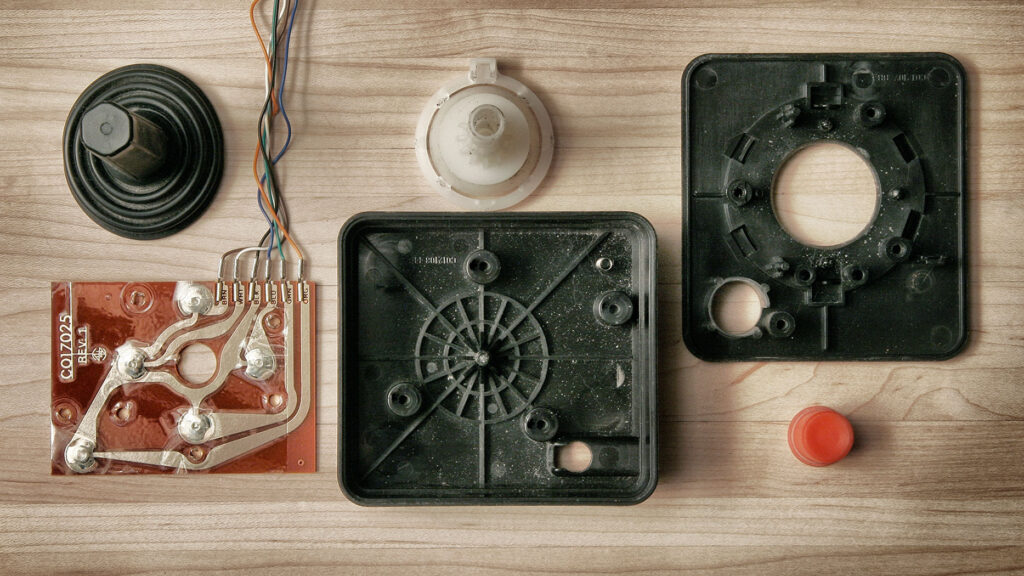
    Photographic portrait of a worn video game joystick showing signs of heavy use

    Turning worn controllers into a photo project

    Canadian photographer Brandon Allen surprised viewers with a simple, evocative idea: he gathered the joystick controllers he had at home that were no longer in use or had been damaged by heavy play, and photographed them as a cohesive collection. The result is a series of striking images that let the physical marks of use — scuffs, missing buttons, frayed cords — tell stories about hours spent playing and the sentimental value of objects.

    See the work

    Explore the series on the artist’s site: ballenphotography.com

    Why this idea resonates

    • Nostalgia made visible: The photos foreground wear and damage as evidence of memory, not just decay.
    • Simplicity and focus: By isolating joysticks as subjects, the images invite close attention to texture and form.
    • Personal archive as art: Using objects from his own home gives the series an intimate, autobiographical layer.

    What to look for in the photos

    • Signs of heavy use: rubbed plastics, shiny spots, and worn labels.
    • Small failures that tell a story: missing pieces, taped repairs, bent sticks.
    • Composition choices: lighting and background that elevate ordinary objects to portrait subjects.

    More than a photo series

    At first glance these images are about gaming hardware; look closer and they’re about habit, attachment and the quieter side of how objects accumulate meaning. Projects like this remind us that everyday items — even broken ones — can carry a narrative about time, play and identity.

    Where it fits culturally

    Work that reimagines consumer objects often taps into broader cultural interests: retro aesthetics, the celebration of analog experiences, and conversations about consumption and repair. Brandon Allen’s joystick portraits sit comfortably in that space, offering both visual appeal and a relatable emotional chord for anyone who keeps things because of what they remember.

    Conclusion

    Brandon Allen’s collection is a simple but effective example of how a modest idea — photographing old, damaged joysticks from home — can produce images that feel both personal and universal. The photos encourage us to look at worn objects differently: as carriers of memory and as subjects worthy of artistic attention.

  • Why Pawel Kuczynski’s Facebook Sketches Stop You and Make You Think

    Why Pawel Kuczynski’s Facebook Sketches Stop You and Make You Think

    Introduction

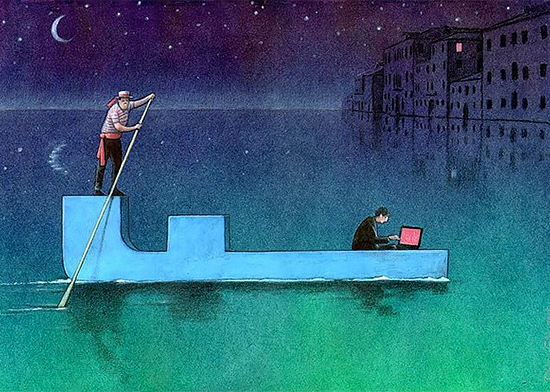
    Pawel Kuczynski is a Polish, award‑winning illustrator whose bold, satirical drawings have earned a large international following. His recent series of sketches shared on Facebook continues that tradition: short, often stark images that distill complex social, political and economic issues into single frames. The result is work that’s easy to share and hard to forget.

    See more of his work

    To explore Kuczynski’s portfolio and recent projects, visit his official website: www.pawelkuczynski.com.

    What makes these sketches so effective?

    • Simplicity with a bite: Kuczynski pares scenes down to essentials, then twists a detail to expose irony or hypocrisy.
    • Visual metaphors: Objects and figures become symbols—easy to read, but open to interpretation.
    • Universal themes: Rather than local references, many sketches address broad topics—consumerism, power, media—that travel across cultures.
    • Shareability: Short, high‑contrast images perform well on platforms like Facebook, helping ideas spread quickly without losing impact.

    Why his work still matters in 2026

    Illustration and satire have always been tools to question accepted narratives. In an era of rapid information flow and short attention spans, concise visual commentary can:

    • Cut through noise and prompt reflection in seconds.
    • Encourage conversation across demographics that might not read long essays.
    • Act as cultural time capsules—capturing public moods and tensions in memorable frames.

    How to read and share satirical art responsibly

    • Look for context: A sketch may comment on a system or behavior rather than a single person; read captions or artist notes when available.
    • Avoid snap judgments: Satire uses exaggeration; think about the underlying point before reacting.
    • Credit the artist: When you share, include the artist’s name and link to their site or profile so viewers can explore more.
    • Use it to open dialogue: If a piece provokes you, ask why and invite others to discuss rather than escalate conflict.

    For creatives and communicators

    Kuczynski’s approach offers useful lessons for anyone building a visual presence online:

    • Be concise: A single strong idea often beats complexity on social platforms.
    • Use metaphor: Visual shorthand can communicate layered meanings without long explanations.
    • Respect your audience: Provocation works best when it aims to illuminate rather than simply shock.

    Conclusion

    Pawel Kuczynski’s Facebook sketches are reminders of what illustration can do: compressing social critique into images that are immediate, shareable and thought‑provoking. Whether you follow his work for inspiration or for reflection, his art is a prompt to pause and consider the world behind our headlines.

  • The Easy Experience Doesn’t Stop at Registration

    The Easy Experience Doesn’t Stop at Registration

    Introduction

    Buying a domain is exciting, but a working, trustworthy online presence is built from a series of small, thoughtful steps that follow registration. Whether you’ve just secured a name or are reviewing accounts you already own, this guide walks through the practical actions that turn a domain into a live, manageable website and a reliable business asset.

    Quick note

    If you’ve just registered a domain:

    • Start by checking DNS and nameservers.
    • Decide where your site will be hosted and if you need email for the business.
    • Use your control panel to centralise management (domains, hosting, billing).

    What comes after domain registration

    Registration secures your name, but most tasks that make a website visible and secure happen afterwards. Here are the essential steps, in practical order.

    1. Configure DNS and nameservers

    DNS (Domain Name System) tells the internet where your site and services live. Pointing nameservers to your hosting provider or updating A, CNAME and MX records is the first technical step to make a website and email work. If you’re unsure, most control panels include guided DNS editors or support documentation.

    2. Choose and connect hosting resources

    Your hosting plan determines performance, storage, and how many visitors your site can handle. Choose resources that match your site’s needs (static pages, CMS like WordPress, or an online store) and connect the domain to that hosting account following provider instructions.

    3. Set up business email

    Professional email (name@yourdomain) helps credibility. Configure MX records and follow best practices for IMAP/SMTP configuration. Add authentication records such as SPF, DKIM and DMARC to improve deliverability and reduce the risk of messages landing in spam.

    4. Secure your site

    Use an SSL certificate to enable HTTPS; many providers offer easy installation. Consider additional security measures like regular backups, two-factor authentication for accounts, and a web application firewall for sites that use CMS platforms.

    5. Plan renewals and transfers

    Keep track of renewal dates to avoid losing your domain. If you plan to move a domain to another registrar, familiarise yourself with the transfer process and required authorization codes well before expiry to prevent service interruption.

    Useful checks and optimisations

    • WHOIS and privacy: Verify contact details and enable privacy options if you want to keep registrant information private.
    • Domain forwarding: Use forwarding if you have multiple domains that should point to the same site or landing page.
    • Backups: Implement automatic website backups and test restores periodically.
    • Performance: Use caching, a CDN and right-sized hosting resources to keep pages fast for visitors.
    • SEO basics: Submit a sitemap, use descriptive titles and meta descriptions, and ensure pages are indexable.

    Managing everything in one place

    Centralised management makes life easier: consolidate domain renewal, DNS, hosting resources and billing in a single control panel when possible. That reduces administrative overhead and lowers the chance of missing important notices about renewals or security updates.

    When to ask for help

    Reach out to support if you encounter DNS propagation issues, email delivery problems, or need help connecting hosting and SSL. Good support can walk you through technical steps, or perform them on your behalf when you provide the necessary access and authorisations.

    Conclusion

    Owning a domain is the beginning of a continuous process. From DNS and hosting to email and renewals, each step improves reliability, visibility and trust. By following these practical actions and centralising management, you turn a name on the internet into a resilient and effective digital presence.

  • Our New easy.gr Is Live — same services, smarter platform

    Our New easy.gr Is Live — same services, smarter platform

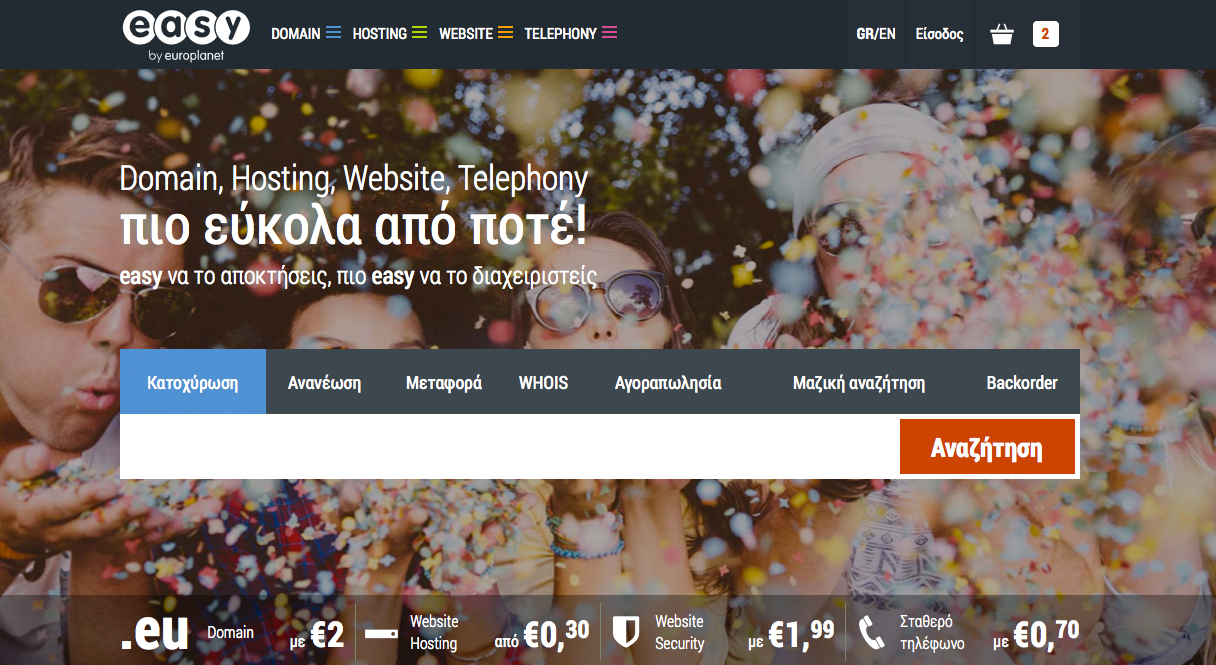
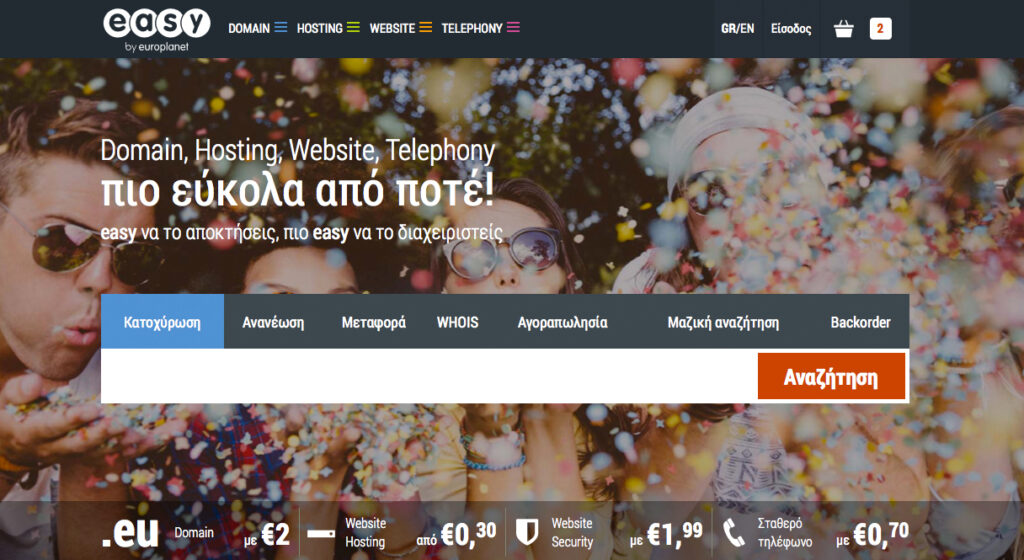
    easy.gr new platform screenshot

    Welcome to the new easy.gr

    From Monday 17/11 our redesigned site easy.gr is live. It brings all our services together through an improved, user-friendly Control Panel — and all your data has already been migrated securely. Read on for a quick guide to what changed and what to do next.

    What changed and why it matters

    The main change is a single, upgraded platform that consolidates our services and puts them inside a more advanced and easier-to-use Control Panel. The goal is to make routine tasks faster and reduce friction so you can focus on what matters: your website and business.

    What we moved

    • All account data and settings were migrated to the new platform.
    • Service access is now unified via the new Control Panel.
    • Data transfer was completed securely — you don’t need to take action to move your existing information.

    How this affects you

    • Login with your usual credentials and explore the new Control Panel interface.
    • You should find the same services available, now organized in one place for convenience.
    • Routine tasks may feel faster thanks to the redesigned workflow.

    Quick checklist — what to do next

    1. Log in and familiarise yourself: Sign into easy.gr and take a tour of the Control Panel. Update any bookmarks if needed.
    2. Check your services: Open your hosting, domains or email sections and confirm your settings look correct.
    3. Test critical functionality: Visit your website, send/receive a test email, or access webmail to make sure everything is working as expected.
    4. Update contact preferences: Review your profile and contact details so notifications reach you.

    If you find problems

    Although the migration was completed successfully and securely, small issues can happen. If you notice any problem or unexpected behaviour, please let us know immediately so we can investigate and fix it.

    • Report anything unusual through our usual support channels.
    • Include screenshots and steps to reproduce the issue when possible — it helps us resolve things faster.

    Final note

    Welcome to the new easy.gr — a more streamlined platform designed to make your life easier. All your data has already been moved safely; now it’s time to explore the new Control Panel and enjoy the updated experience. If you need help, our support team is ready to assist.