Turning worn controllers into a photo project
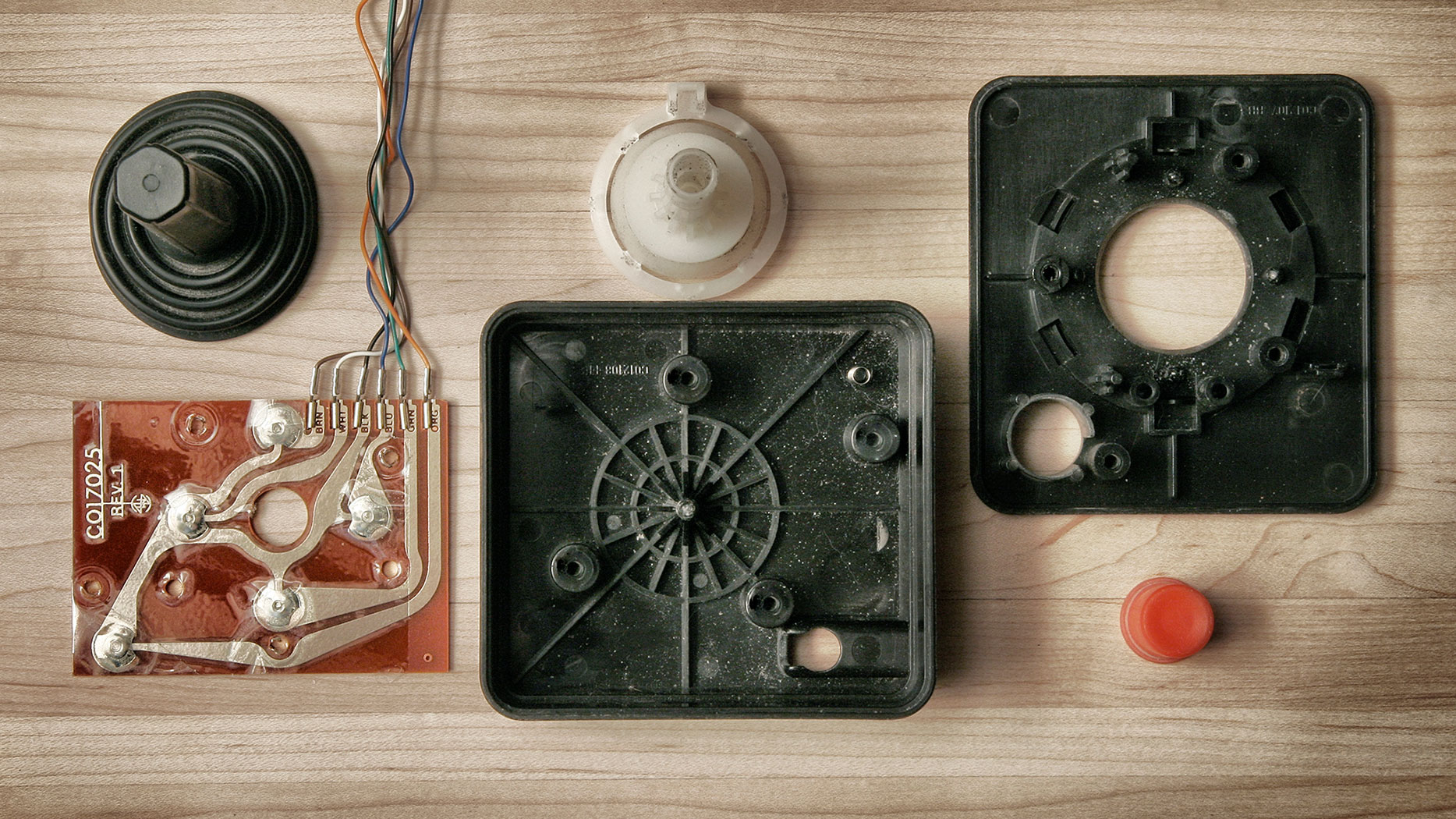
Canadian photographer Brandon Allen surprised viewers with a simple, evocative idea: he gathered the joystick controllers he had at home that were no longer in use or had been damaged by heavy play, and photographed them as a cohesive collection. The result is a series of striking images that let the physical marks of use — scuffs, missing buttons, frayed cords — tell stories about hours spent playing and the sentimental value of objects.
See the work
Explore the series on the artist’s site: ballenphotography.com
Why this idea resonates
- Nostalgia made visible: The photos foreground wear and damage as evidence of memory, not just decay.
- Simplicity and focus: By isolating joysticks as subjects, the images invite close attention to texture and form.
- Personal archive as art: Using objects from his own home gives the series an intimate, autobiographical layer.
What to look for in the photos
- Signs of heavy use: rubbed plastics, shiny spots, and worn labels.
- Small failures that tell a story: missing pieces, taped repairs, bent sticks.
- Composition choices: lighting and background that elevate ordinary objects to portrait subjects.
More than a photo series
At first glance these images are about gaming hardware; look closer and they’re about habit, attachment and the quieter side of how objects accumulate meaning. Projects like this remind us that everyday items — even broken ones — can carry a narrative about time, play and identity.
Where it fits culturally
Work that reimagines consumer objects often taps into broader cultural interests: retro aesthetics, the celebration of analog experiences, and conversations about consumption and repair. Brandon Allen’s joystick portraits sit comfortably in that space, offering both visual appeal and a relatable emotional chord for anyone who keeps things because of what they remember.
Conclusion
Brandon Allen’s collection is a simple but effective example of how a modest idea — photographing old, damaged joysticks from home — can produce images that feel both personal and universal. The photos encourage us to look at worn objects differently: as carriers of memory and as subjects worthy of artistic attention.