Author: Πέτρος Θεοδωρίδης

  • nCycle: a radical rethink of the electric bike

    nCycle: a radical rethink of the electric bike

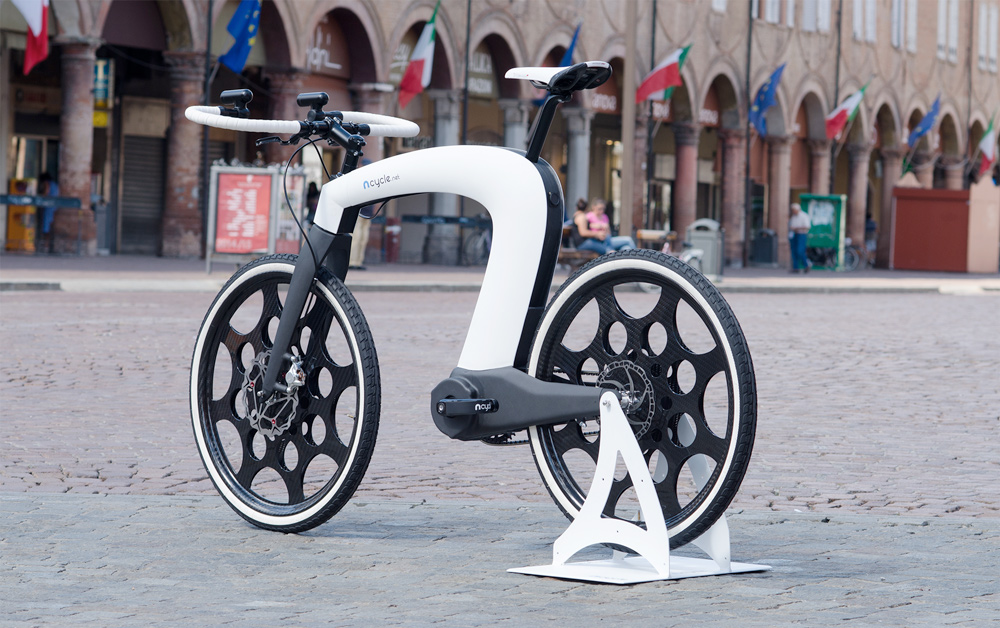
    nCycle electric bike concept with integrated storage and components

    nCycle at a glance

    nCycle is an all-in-one electric bicycle concept that packs storage compartments, an integrated locking system, built-in speakers, headlights, a display and a complete electric drive mechanism — all on two wheels. The project, created by designers Hussain Almossawi and Marin Myftiu, aims to push both aesthetics and technology beyond what you usually expect from a city bike.

    Key features

    What makes nCycle stand out at first sight:

    • Multiple storage spaces incorporated into the frame
    • Integrated locking mechanism for security
    • On-board audio with built-in speakers
    • Front lighting and a display for rider information
    • A complete electric drive system built into the bike

    Design that challenges expectations

    Instead of refining the familiar city-bike silhouette, nCycle takes a different approach. Its bold styling and the integration of components usually added as aftermarket accessories signal a deliberate move toward a cohesive, design-led product. The result is a machine that reads as a piece of industrial design as much as it does a vehicle for urban mobility.

    Technology packed into the frame

    nCycle is more than an electric motor on a bicycle chassis. The concept integrates a range of functional elements — locking, storage, lighting, audio and rider display — into the structure itself. This kind of integration simplifies the user experience and can improve aesthetics, because accessories are not just attached, they’re built in.

    The makers: Hussain Almossawi and Marin Myftiu

    The project credits designers Hussain Almossawi and Marin Myftiu. Their work on nCycle reflects a focus on combining high-level design thinking with engineering to reimagine how an everyday product can look and feel.

    Why this matters

    Concepts like nCycle are useful even if they never reach mass production. They demonstrate possibilities: how urban mobility can be more integrated, secure and pleasurable. For designers and manufacturers, such concepts probe customer expectations and suggest new directions for product development in the e-mobility space.

    Where to find more

    For more details on the project, see the creators’ page:ncycle.net.

    Bottom line

    nCycle isn’t just an electric motor on two wheels. It’s a design experiment that pulls multiple functions into a single, distinctive package. Whether it becomes a mainstream product or remains a concept, it pushes ideas about how an electric bike can be integrated, secure and stylish.
  • When Memories Become Art: Brandon Allen’s Joystick Portraits

    When Memories Become Art: Brandon Allen’s Joystick Portraits

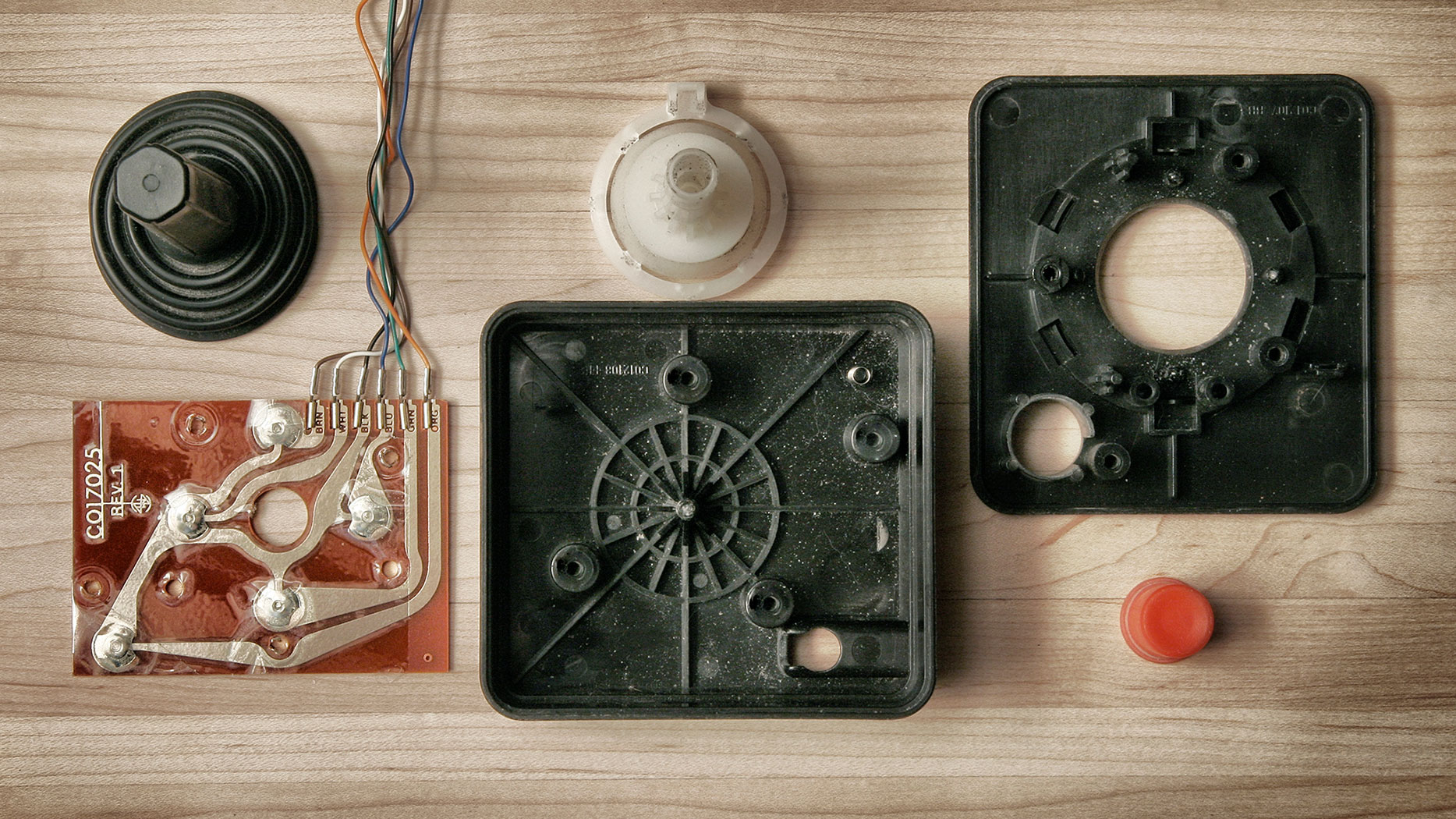
    Photographic portrait of a worn video game joystick showing signs of heavy use

    Turning worn controllers into a photo project

    Canadian photographer Brandon Allen surprised viewers with a simple, evocative idea: he gathered the joystick controllers he had at home that were no longer in use or had been damaged by heavy play, and photographed them as a cohesive collection. The result is a series of striking images that let the physical marks of use — scuffs, missing buttons, frayed cords — tell stories about hours spent playing and the sentimental value of objects.

    See the work

    Explore the series on the artist’s site: ballenphotography.com

    Why this idea resonates

    • Nostalgia made visible: The photos foreground wear and damage as evidence of memory, not just decay.
    • Simplicity and focus: By isolating joysticks as subjects, the images invite close attention to texture and form.
    • Personal archive as art: Using objects from his own home gives the series an intimate, autobiographical layer.

    What to look for in the photos

    • Signs of heavy use: rubbed plastics, shiny spots, and worn labels.
    • Small failures that tell a story: missing pieces, taped repairs, bent sticks.
    • Composition choices: lighting and background that elevate ordinary objects to portrait subjects.

    More than a photo series

    At first glance these images are about gaming hardware; look closer and they’re about habit, attachment and the quieter side of how objects accumulate meaning. Projects like this remind us that everyday items — even broken ones — can carry a narrative about time, play and identity.

    Where it fits culturally

    Work that reimagines consumer objects often taps into broader cultural interests: retro aesthetics, the celebration of analog experiences, and conversations about consumption and repair. Brandon Allen’s joystick portraits sit comfortably in that space, offering both visual appeal and a relatable emotional chord for anyone who keeps things because of what they remember.

    Conclusion

    Brandon Allen’s collection is a simple but effective example of how a modest idea — photographing old, damaged joysticks from home — can produce images that feel both personal and universal. The photos encourage us to look at worn objects differently: as carriers of memory and as subjects worthy of artistic attention.