Author: Κατερίνα Γεωργαντή

  • How to start an e-shop correctly

    Modern online store displayed on a laptop with products, shopping cart, payments, shipping and transaction security.

    An Online Store Is a Business, Not Just a Website

    An online store is not simply a website with products. It is a sales channel, an order management system, a payment flow, a customer support tool and part of the daily operation of a business.

    If it is built carelessly, the problems appear quickly: slow pages, lost orders, checkout friction, poor customer communication and uncertainty around payments.

    Choose the Right Platform

    The platform is the foundation of your online store. It should match the size of your business, the number of products, your management needs and your future growth plans.

    For many small and medium-sized stores, solutions such as WooCommerce are practical because they offer flexibility and a large ecosystem. For more complex requirements, a different or more specialized approach may be needed.

    In practice: Do not choose a platform only because it is popular. Choose the one that can support how your store will actually operate.

    Hosting Is Critical

    For an online store, speed and stability have direct commercial impact. If the website is slow, the customer leaves. If it fails during checkout, the sale is lost.

    Your hosting must support products, images, carts, checkout, payments, emails and periods of increased traffic.

    • Fast storage
    • Proper caching
    • Stable uptime
    • Backups
    • Security and monitoring
    • Technical support

    Payments Without Friction

    Customers should be able to pay easily and confidently. Cards, digital wallets, bank transfer or cash on delivery may all make sense depending on your market and audience.

    The checkout should be clear, short and avoid asking for unnecessary information. Every extra step can reduce completed orders.

    SSL and Transaction Security

    No online store should operate without HTTPS. SSL protects the communication between the browser and the server and is essential for forms, login pages and payments.

    Security does not end with SSL. Updates, malware protection, strong passwords, access control, backups and monitoring are also necessary.

    Products with Clear Information

    The customer cannot physically touch the product. That means they need clear photos, accurate descriptions, specifications, dimensions, pricing, availability and shipping information.

    Poor descriptions create doubt. Overloaded descriptions create fatigue. The right content helps customers decide without needing to ask obvious questions.

    Shipping and Returns

    Before launching your store, you need to define how shipping works, what it costs, delivery times and what applies to returns or exchanges.

    If these details are unclear, customers hesitate. Transparency around shipping and returns builds trust and reduces post-purchase problems.

    Customer Experience at Checkout

    Checkout is the most critical point of an online store. It shows whether the website is truly functional. Customers should clearly see the cart, shipping costs, payment method and final total.

    Hidden costs, slow pages and complicated forms are among the most common reasons for cart abandonment.

    Order Emails and Customer Updates

    After purchase, customers should receive clear updates: order confirmation, payment status, shipping information, tracking and any important changes.

    Professional email on your own domain and proper SPF, DKIM and DMARC configuration help ensure that order notifications do not end up in spam.

    Common Mistakes

    1. Choosing a platform without a plan: growth becomes difficult later.
    2. Cheap and slow hosting: it damages experience and sales.
    3. Poor checkout flow: it increases cart abandonment.
    4. Unclear shipping terms: they create hesitation before purchase.
    5. No maintenance: the store becomes vulnerable and unstable.

    Frequently Asked Questions

    Can I start small? Yes. The important thing is to start with a foundation that can grow without needing to rebuild everything from scratch.

    Do I need a VPS for an online store? Not always. A small store can start on a good shared or managed environment. As products, plugins and traffic grow, an upgrade may become necessary.

    What matters most in the beginning? A clean platform, fast hosting, secure payments, clear product information and a simple checkout.

    Conclusion

    An online store starts correctly when it has a stable technical foundation and a clear commercial logic. It is not enough for it to look good. It must load quickly, build trust, accept secure payments and make buying easy.

    A strong start saves time, cost and corrections later. Your online store should be built as a real sales channel, not just a product catalog.

    Want to Start Your Online Store on the Right Foundation?

    Easy can help you with hosting, security, email and technical infrastructure designed to support a modern e-commerce business.

    Learn more at Easy →

  • SEO Without Myths

    SEO illustration with a magnifying glass, growth charts, target, mobile preview and technical optimization elements.

    SEO Is Not a Magic Button

    Many businesses still treat SEO as a checklist of tricks. Add keywords, publish many articles, collect a few links and wait for results. That approach is weak and often risky.

    SEO today is much closer to the overall quality of a website. Content, technical performance, user experience, trust, speed and relevance all work together.

    Content Must Match Search Intent

    It is not enough for an article to contain the right keyword. It must answer the real intent behind the search. Someone searching “what is hosting” needs something different from someone searching “best hosting for WooCommerce”.

    Strong content understands what the reader needs and explains it clearly, without unnecessary filler or vague marketing language.

    Keywords Help, But They Are Not Enough

    Keywords are still useful. They help you organize topics, write better headings and understand how people search.

    However, the era of keyword stuffing is over. Repeating the same phrase again and again does not improve SEO. It makes the content worse.

    The Technical Foundation Is Critical

    Good content can lose value if it sits on a slow, poorly structured or difficult-to-use website. Technical SEO is not decoration.

    • Fast page loading
    • Proper mobile experience
    • Clear heading structure
    • Clean URLs
    • SSL and secure browsing
    • Correct canonical URLs
    • A clean sitemap

    These elements do not guarantee top rankings on their own. But without them, you are building on a weak foundation.

    Speed Affects User Experience

    Speed is not just a technical metric. It is part of the user experience. If a website is slow, visitors become frustrated, leave and may never engage with the content at all.

    Reliable hosting, optimized images, proper caching and clean code help both users and search engines.

    Not All Backlinks Are Equal

    Links from other websites can help, but they do not all carry the same value. A natural link from a relevant, trusted website is far more useful than dozens of questionable links from unrelated pages.

    Buying cheap backlinks or participating in suspicious link schemes can create more problems than benefits.

    SEO Takes Time

    One of the most common mistakes is expecting immediate results. SEO rarely works overnight.

    It requires consistency, content improvement, technical maintenance and regular monitoring. Anyone promising a permanent first position quickly and easily is selling an illusion.

    What Is Just an Old Recipe?

    Some tactics that may have worked years ago are now either weak or dangerous.

    1. Keyword stuffing: repeating phrases unnaturally.
    2. Thin content: pages created only to fill space.
    3. Mass cheap backlinks: links from questionable sources.
    4. Hidden text: content created for search engines rather than people.
    5. SEO without technical checks: publishing content on slow or broken infrastructure.

    What Really Matters?

    If you want to keep it simple, modern SEO is built around a few serious principles.

    ✔ Content that clearly answers the user’s question
    ✔ A fast and reliable website
    ✔ Strong mobile experience
    ✔ Clean technical structure
    ✔ Natural, high-quality backlinks
    ✔ Regular content updates and improvements

    Frequently Asked Questions

    Do I need lots of articles? Not necessarily. You need useful articles that properly answer real search queries.

    Are keywords useless? No. They are useful for strategy and structure, but they should not make the content feel unnatural.

    Is SEO ever finished? No. A website needs monitoring, improvements and updates as the market, competition and user needs change.

    Conclusion

    SEO without myths is simpler, but also more demanding. It is not built on tricks. It is built on real value, a strong technical foundation and consistency.

    If your website is fast, secure, useful and organized around the needs of the user, you already have a much stronger foundation than any outdated SEO formula can offer.

    Want to Build a Stronger Foundation for Your Website?

    Easy can help you with fast hosting, security and technical infrastructure that supports a serious online presence.

    Learn more at Easy →
  • SMS Advertising That Just Works: A Practical Guide to myeasy Campaigns

    SMS Advertising That Just Works: A Practical Guide to myeasy Campaigns

    Why SMS still matters

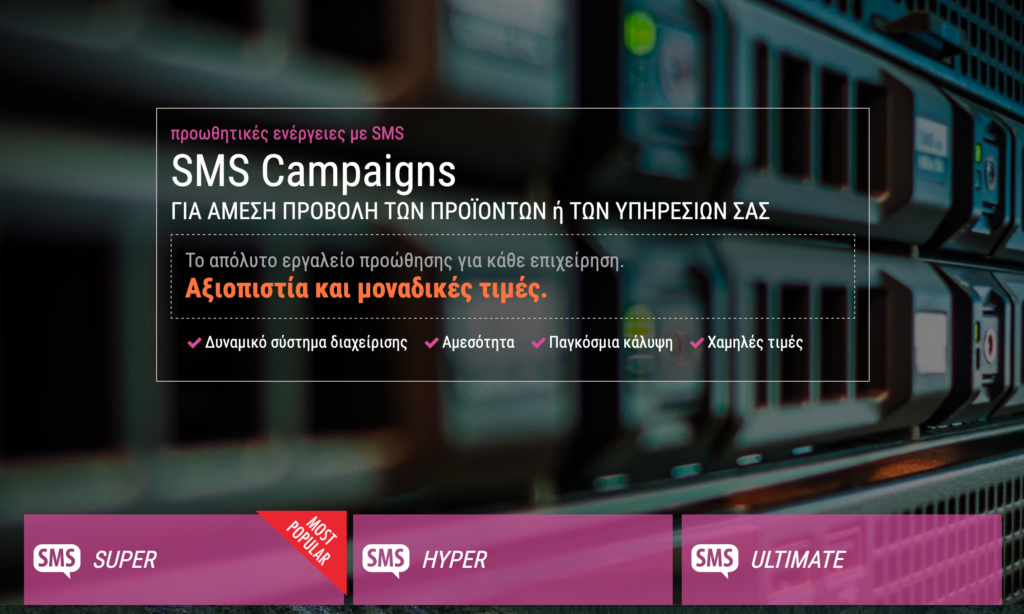
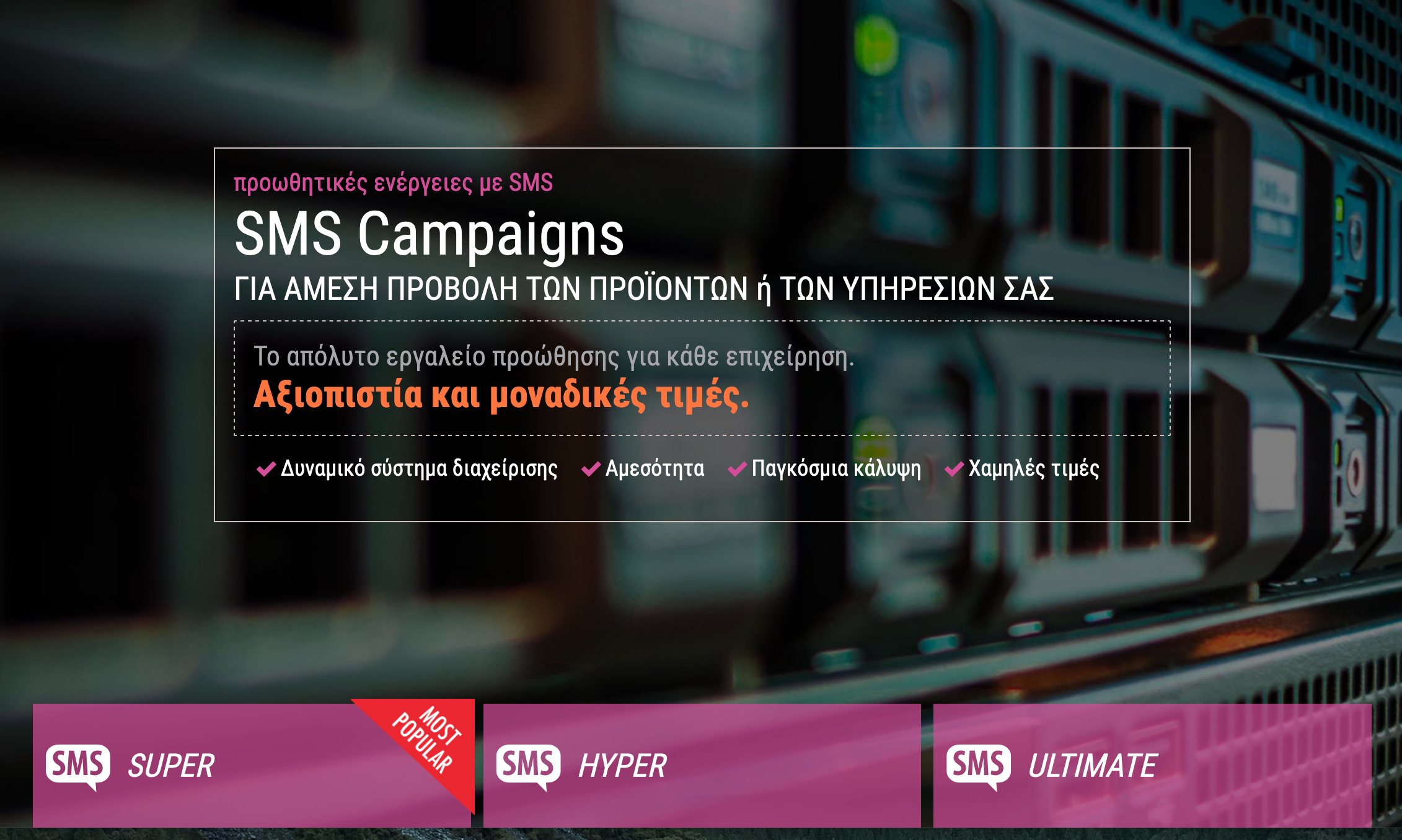
    SMS Advertising That Just Works: A Practical Guide to myeasy Campaigns — SMS campaign

    SMS is one of the fastest, most direct channels to reach customers — especially for time‑sensitive offers, reminders and updates. Open rates are high, messages land straight on a user’s phone and, when used thoughtfully, SMS can lift sales and engagement without the noise of other channels.

    How myeasy makes campaigns simple

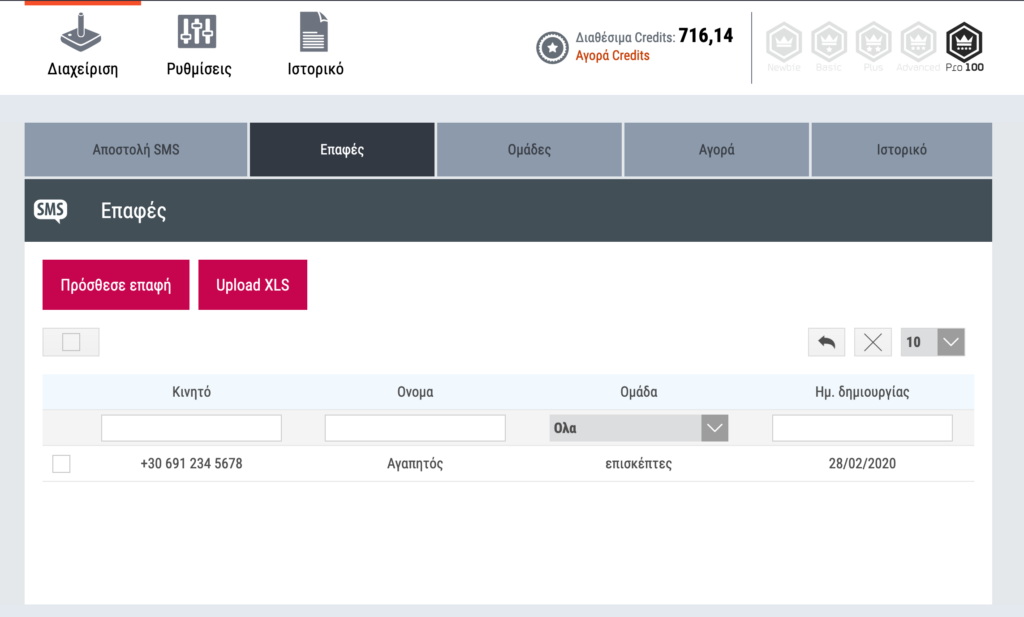
    myeasy offers an entry point for businesses that want to run SMS advertising without complicated tools or extra hardware. You can upload a ready-made XLS file with your contacts and groups, and myeasy will automatically organize and group them for you. In minutes you can be ready to send thousands of messages with a single click — backed by a provider with more than 26 years of experience.

    Upload and organize contacts

    • Upload an XLS file with contacts and groups — no special skills required.
    • Automatic grouping helps you target audiences quickly (e.g., customers, prospects, VIPs).

    Scheduling and automation

    Schedule one‑time broadcasts or set up automated, recurring sends to build a simple, repeatable communication flow. Automation makes it easier to keep customers informed without manual effort.

    Features at a glance

    • Dynamic sender — set the sender name before each send.
    • International coverage — send messages to more than 190 countries and over 400 networks.
    • Detailed history — review the delivery history of your SMS campaigns.
    • Number portability support — recipients receive your message even if they have moved their number to a different network.
    • No special equipment — campaigns are managed from the platform; you only need your contact file and a browser.

    Types of SMS

    • Simple SMS — up to 158 characters (including spaces).
    • Long SMS — composed of two or more consecutive SMS messages for longer content.
    • Unicode SMS — supports all Unicode characters (including Greek); 158 characters per SMS.
    • Personalized SMS — include custom fields (for example recipient name) to make messages feel personal.

    Practical tips for better results

    • Keep messages concise and focused on one clear call to action.
    • Use personalization sparingly to increase relevance (first name, appointment time, order status).
    • Test different send times and message variants to see what converts best.
    • Make unsubscribing easy and honour local regulations — check the legal rules that apply to SMS marketing in your markets.
    • Track performance in the platform’s delivery history and iterate.

    Ready to start your campaign?

    Go to the SMS Campaign section in myeasy to upload your contact list and launch your first broadcast.

    Conclusion

    SMS advertising remains a powerful channel when used responsibly. With myeasy you get a straightforward workflow — upload your XLS, segment automatically, schedule or automate sends, and measure results. For small businesses and marketers who need direct, reliable delivery, SMS campaigns are a practical addition to your marketing mix.